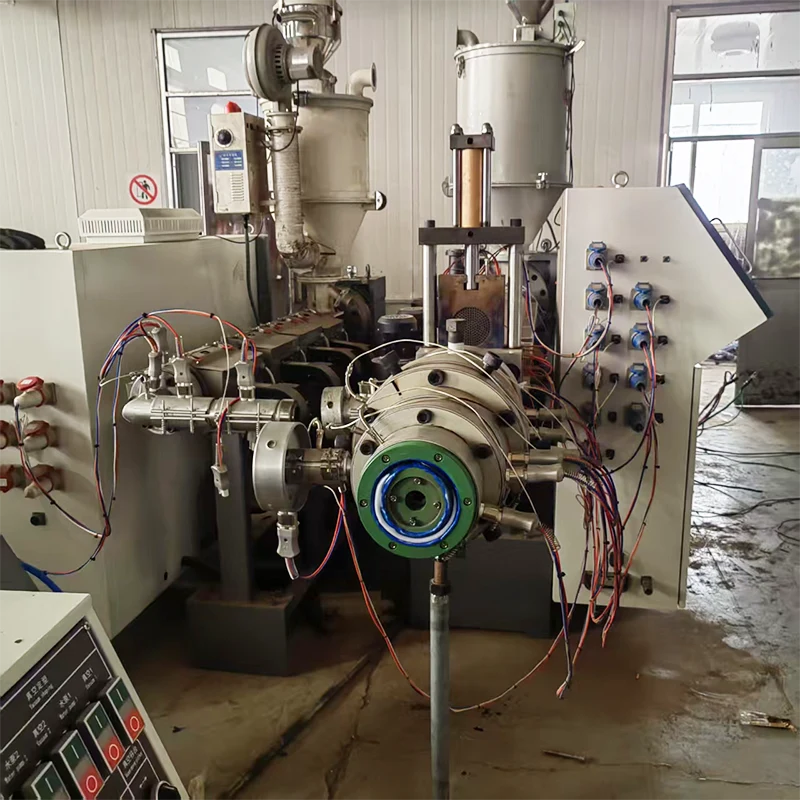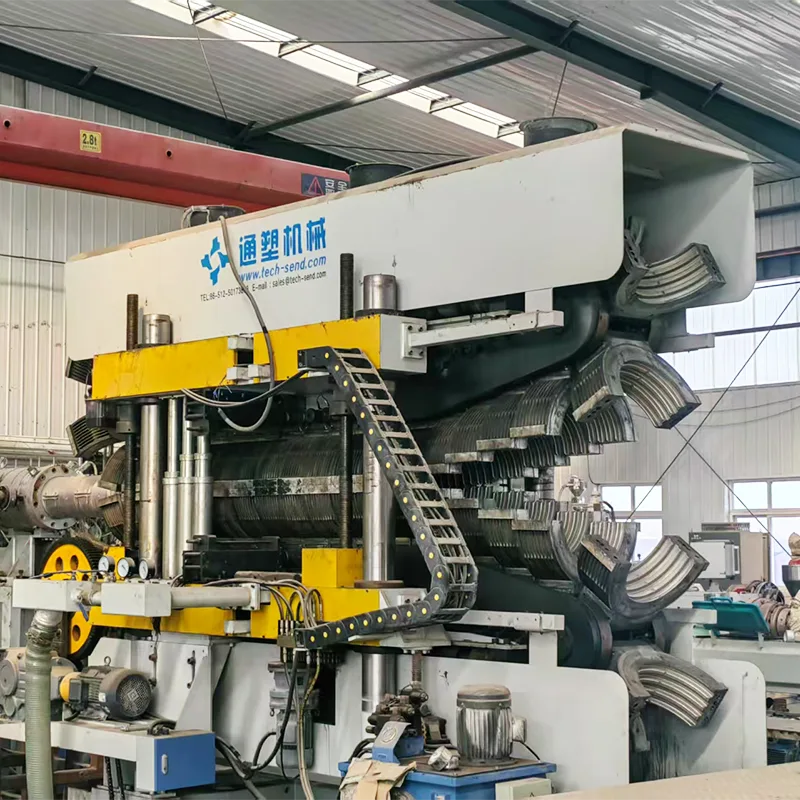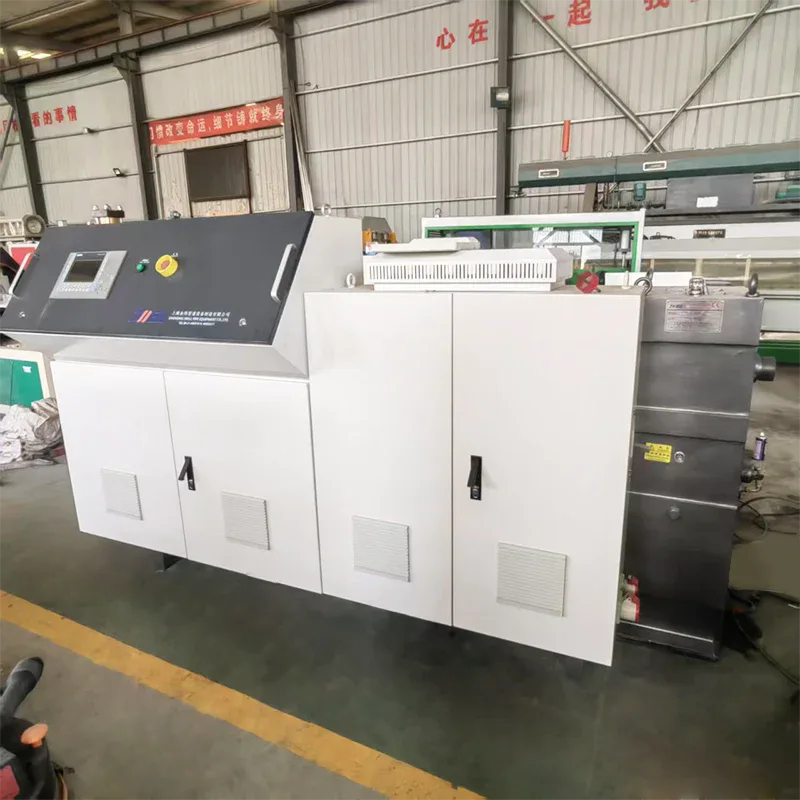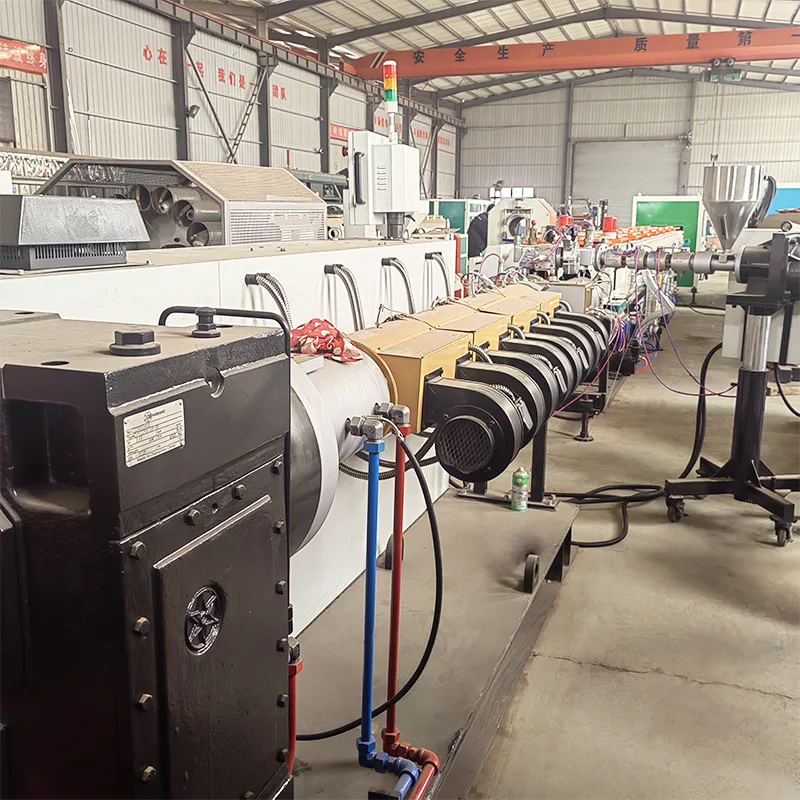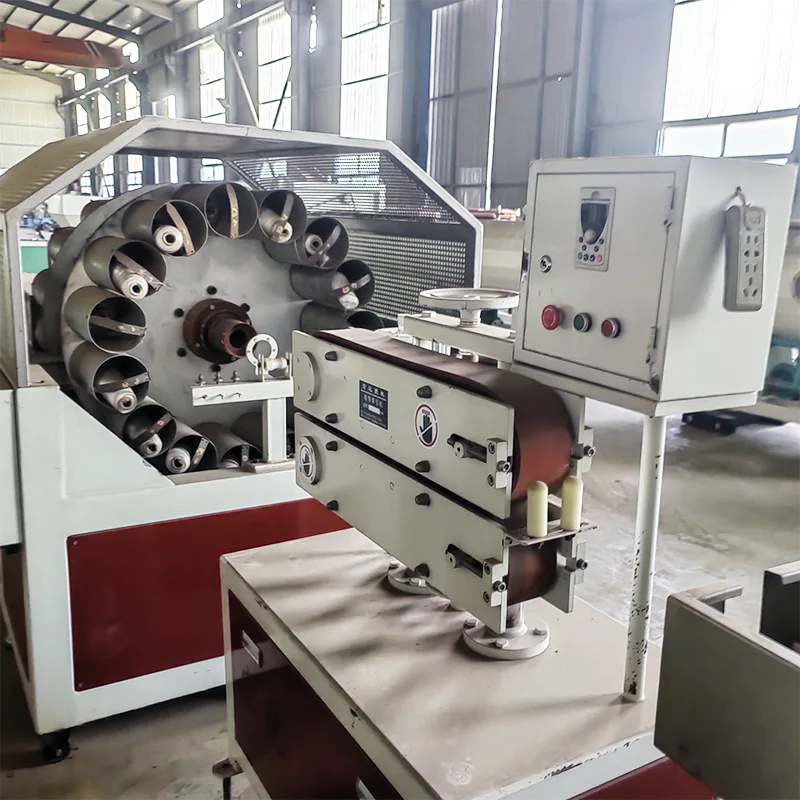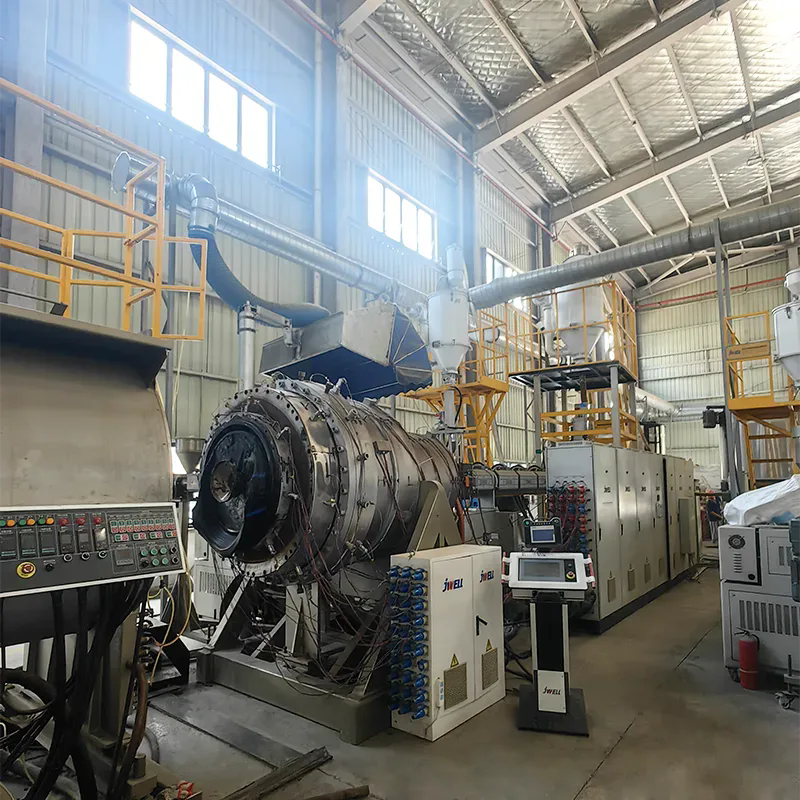

This comprehensive blog explores the dynamic topic of Used PVC Granulation Equipment, including what it is, how it works, key factors for choosing and maintaining used PVC granulators, pros and cons of buying used vs new, cost considerations, implementation strategies, troubleshooting and FAQs. It references authority sources and includes structured sections to assist buyers and operators—especially those working with Qingdao Shende Plastic Science and Technology Co., Ltd.
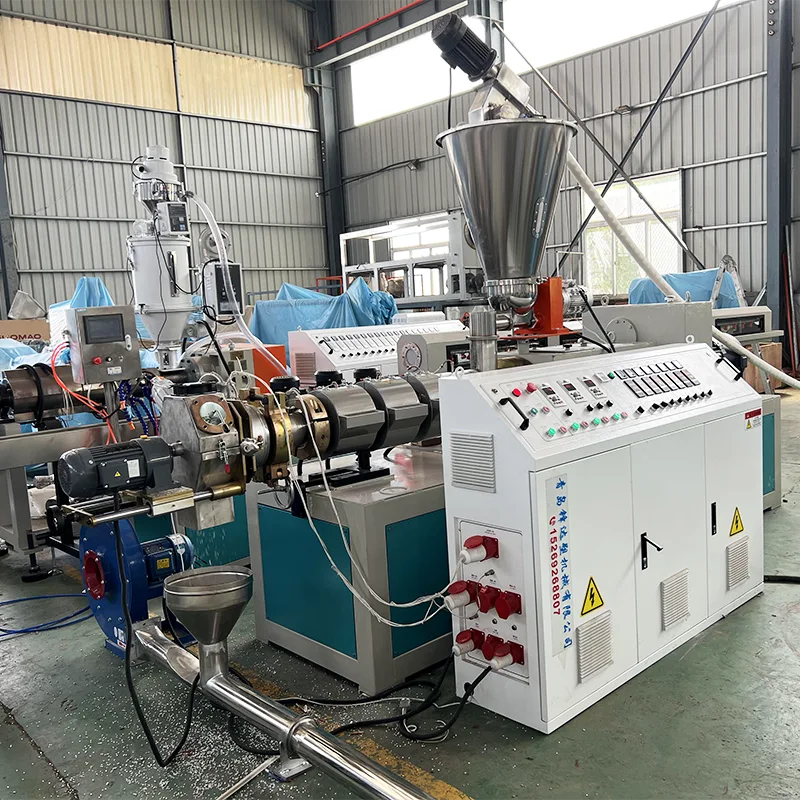
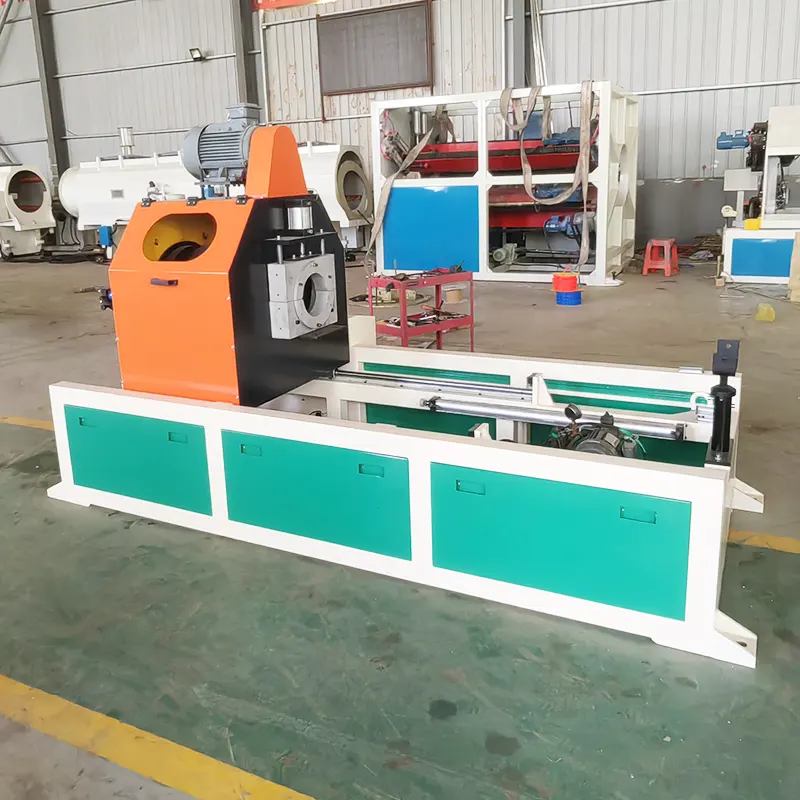
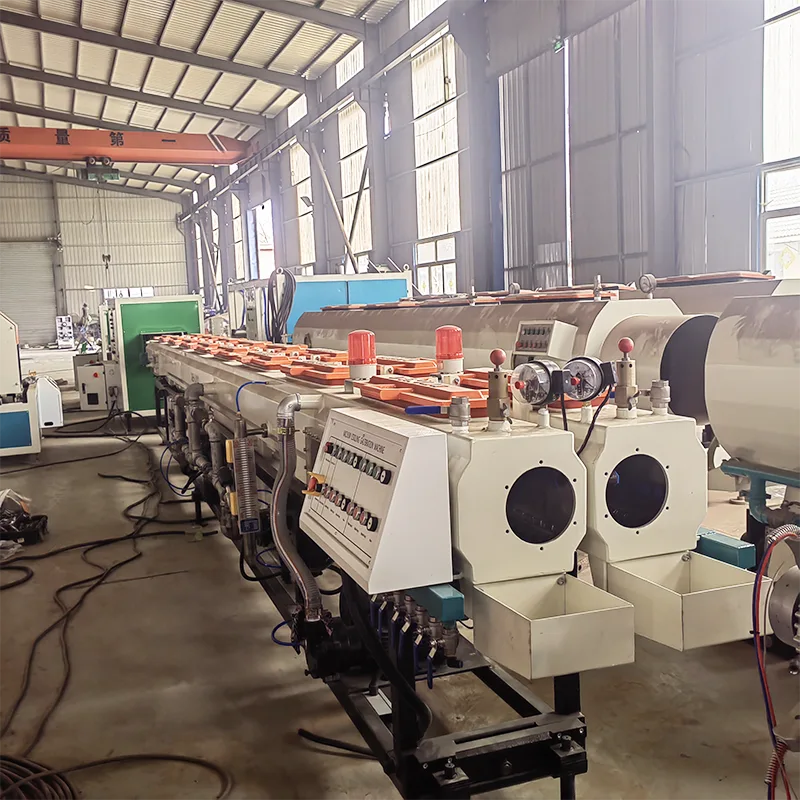
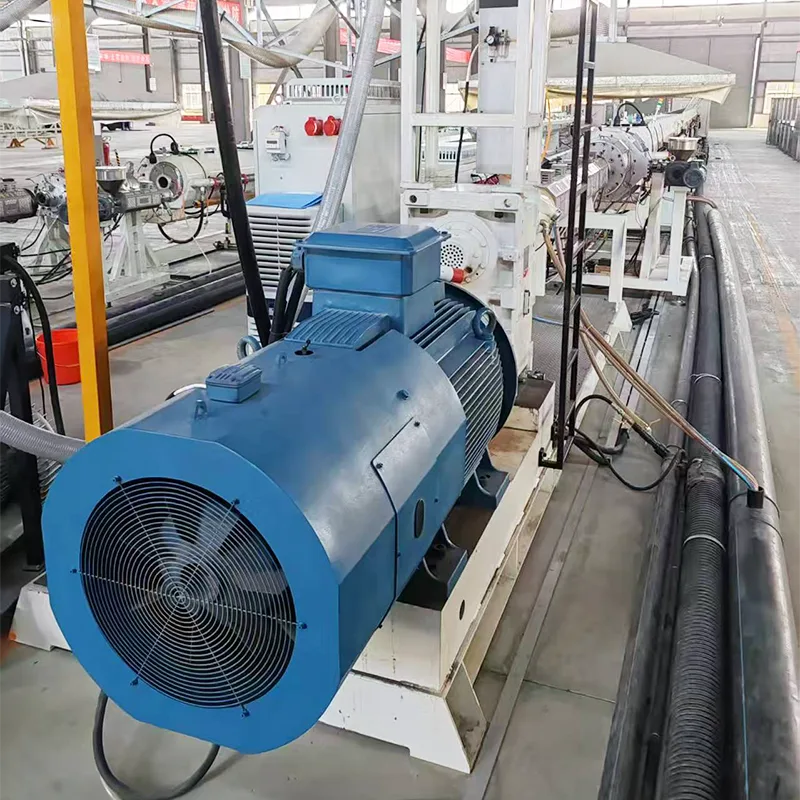
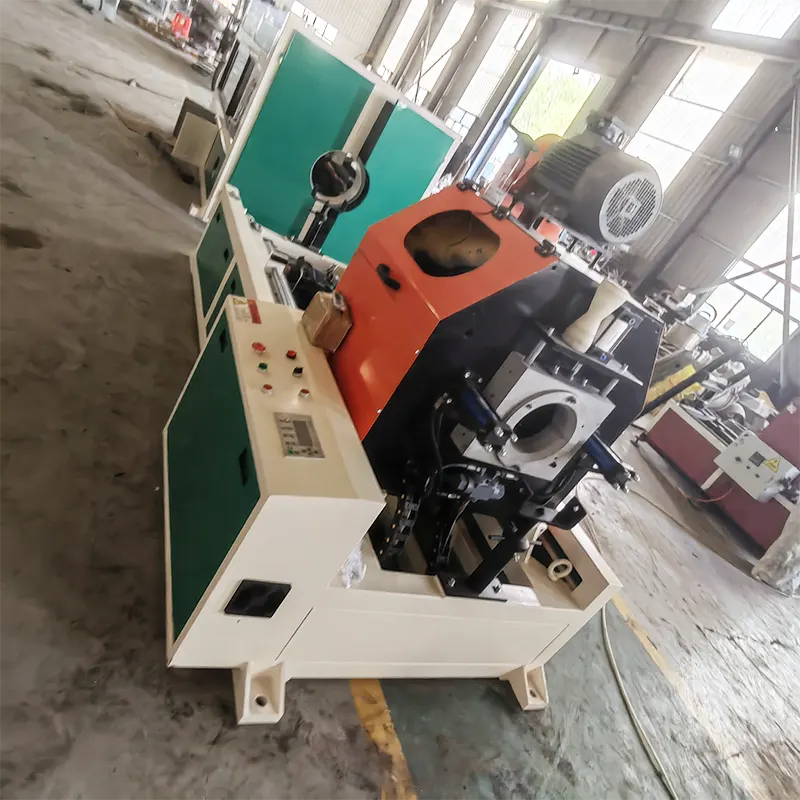
Used PVC granulation equipment refers to pre-owned machines designed to convert polyvinyl chloride (PVC) waste into granules for reuse. These systems typically include a shredder, granulator, conveyor, cyclone dust collector, screen, and sometimes a washing line.
PVC granulation plays an essential role in plastic recycling and circular manufacturing. Industrial buyers often turn to used equipment when scaling operations cost-effectively, with suppliers like Qingdao Shende Plastic Science and Technology Co., Ltd. providing refurbishing and quality assurance.
Many companies ask why they should consider used PVC granulators instead of new. The main reasons include:
For firms like Qingdao Shende Plastic Science and Technology Co., Ltd., used equipment becomes an attractive entry point into PVC recycling. Market reports show that equipment resale channels are robust due to growing plastic recycling demand. 1
Careful evaluation ensures the selected used granulation system meets performance, safety, and economic expectations.
| Evaluation Criteria | Key Questions to Ask |
|---|---|
| Machine Age | How old is the equipment and what is its operation history? |
| Wear & Tear | Are critical parts like blades, screens, gears and shafts in good condition? |
| Certifications | Does it meet local and international safety standards? |
| Maintenance Records | Are documented service logs available? |
| Electrical & Control Systems | Are control panels, sensors and wiring intact and updated? |
Many sellers, including Qingdao Shende Plastic Science and Technology Co., Ltd., provide pre-purchase inspection reports to assist buyers. Independent inspection services can also verify functionality and resale value.
Understanding relative advantages and limitations is crucial before procurement.
| Advantages | Limitations |
|---|---|
| Cost-effective | Shorter remaining operational life |
| Immediate availability | Potentially higher maintenance needs |
| Lower depreciation | Older control systems |
| Proven reliability | Unknown previous usage conditions |
Used PVC granulation systems can be ideal when cost sensitivity is paramount; however, warranty and technology limitations must be balanced. Partnering with reputable suppliers like Qingdao Shende Plastic Science and Technology Co., Ltd. often reduces risk since they refurbish equipment and offer validation.
Reliable sourcing channels include:
If you prefer a trusted refurbishment partner, Qingdao Shende Plastic Science and Technology Co., Ltd. offers turnkey options that include inspection, refurbishment, replacement parts, transport assistance, and setup guidance.
Maintenance is key for ongoing performance. Follow this outline:
Documentation by providers like Qingdao Shende Plastic Science and Technology Co., Ltd. can significantly improve long-term performance of used systems.
Safety is paramount when operating granulation lines:
Always consult certified technicians during installation or retrofit to ensure compliance with local laws and standards. 2
Q: What is a Used PVC Granulation Equipment?
A: It is a previously operated system used to shred and grind PVC waste into granules for recycling or reuse. Buyers often choose it to reduce investment cost while engaging in plastic recycling.
Q: Why should I consider used instead of new equipment?
A: Used equipment can offer significant cost savings and faster ROI, provided the machine is evaluated thoroughly and sourced from a reputable supplier.
Q: How can I assess a used PVC granulator before purchase?
A: Inspect wear parts, control systems, maintenance history, and verify that safety standards are met. Third-party inspections can validate condition.
Q: Are warranties available for used granulation systems?
A: Some suppliers provide limited warranties or refurbishment guarantees, especially when equipment is reconditioned before sale.
Q: How does maintenance differ for used machinery?
A: Maintenance for used equipment often requires more frequent inspections, lubrication, and proactive parts replacement due to wear accumulated over time.
Q: What are the common challenges with used granulation lines?
A: Challenges include outdated controls, higher maintenance needs, parts availability, and limited service history. Partnering with experienced service providers can minimize risks.